Industrial plastic recycling is the collection and reprocessing of plastic scrap that comes out of manufacturing, packaging and distribution, before it ever reaches a consumer. The scrap is sorted by resin type, ground or shredded into small, even pieces called regrind, and sold or returned as raw material for molding and compounding. Because factory scrap is usually clean and made of one known resin, it recycles far more reliably than household plastic. At AP&J, we do this every day for manufacturers across Dallas-Fort Worth and North Texas, mainly with HDPE and polypropylene.
Key takeaways
- Post-industrial plastic is scrap generated during production: purgings, trim, off-spec parts, rejected runs, obsolete stock and packaging.
- It recycles well because it is usually clean, consistent and a single known resin, unlike mixed curbside material.
- The basic process is collect, sort, size-reduce (shred and grind), check quality, then put the regrind back into production.
- Keeping scrap out of the landfill lowers disposal costs and can offset some of what a plant spends on virgin resin.
Post-industrial vs. post-consumer plastic
Most people picture recycling as bottles and jugs in a blue bin. That stream is post-consumer plastic: products that were bought, used and thrown away. It arrives mixed, dirty and full of labels, caps and food residue, which is why so much of it is hard to recycle economically.
Post-industrial plastic never makes it that far. It is the material a plant generates while making things: startup purges, sprue and runners, edge trim, short shots, color changeover scrap, rejected batches, discontinued parts and the pallets, totes and film used to move product around. A molder running polypropylene caps produces polypropylene scrap. A blow molder running HDPE produces HDPE scrap. The plant already knows what the material is, and that single fact makes it much easier to give it a second life.
| Post-industrial plastic | Post-consumer plastic | |
|---|---|---|
| Where it comes from | Factories, molders, packagers, distribution centers | Homes, offices, curbside and drop-off programs |
| Typical condition | Clean, often one resin and one color | Mixed resins, labels, food and liquid residue |
| Volume pattern | Steady, predictable, large batches | Irregular, many small items |
| Sorting needed | Light, mostly by resin and grade | Heavy sorting and washing |
| Usual end use | Regrind for molding and compounding | Varies widely; much is downcycled or lost |
Where factory plastic scrap ends up today
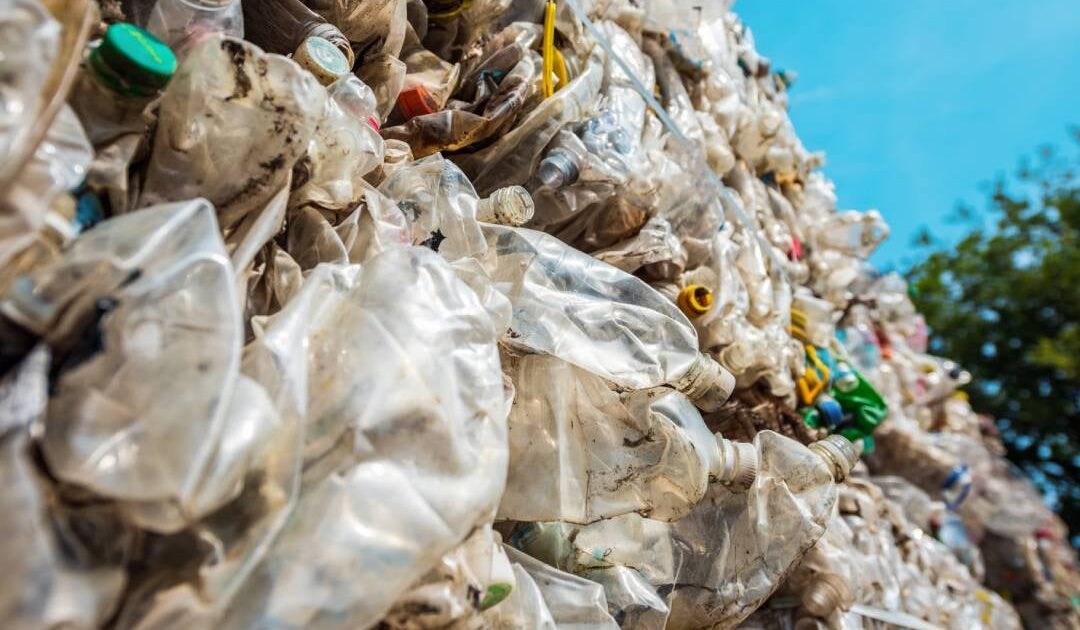
Industrial plastic scrap goes to one of three places. The first is the landfill, usually because nobody set up a separate collection, the scrap got mixed in with general trash, or the plant simply treats it as garbage. Plastic does not break down in any useful time frame, so landfilling it throws away material the plant already paid for and then pays again to haul it off.
The second is waste-to-energy, where plastic is burned to produce power. It keeps volume out of the landfill, but the material is gone for good and there is nothing left to put back into production.
The third is material recovery, which is what we do. The plastic is collected, processed and turned back into raw material that a molder or compounder can use again. For clean, sorted scrap like HDPE and polypropylene, this is nearly always the better outcome for both the plant and the environment.
How industrial plastic recycling works, step by step
The details change from plant to plant, but the path is the same for most post-industrial scrap we handle.
- Look at the waste stream. We start by finding out what resins you run, how much scrap you generate and how often, how clean it is and how it’s stored on your floor.
- Set up collection. Scrap is kept separate from general trash in gaylords, bins, bales or a roll-off container, and picked up on a schedule that fits your volume. We run roll-off hauling for plants across the DFW area.
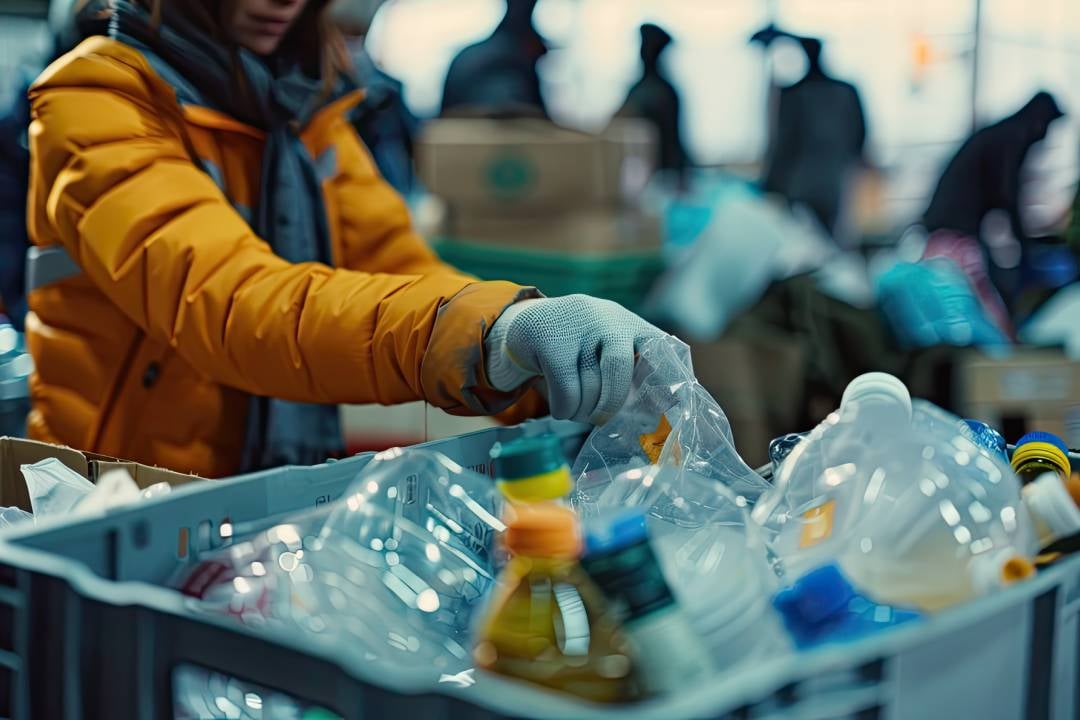
- Sort and inspect. At our facility, material is checked for contaminants such as metal, paper and labels, and separated by resin type and grade. Mixing resins is the quickest way to ruin a load of regrind.
- Size reduction. Large or bulky items like purge blocks, pallets and thick-walled parts are shredded first. The shredded material, or smaller scrap that can go straight in, is then ground into uniform regrind.
- Quality check. Regrind is checked for consistent particle size, color and freedom from contamination, because a molder needs it to feed and melt the same way every time.
- Back into production. The finished regrind is sold into molding and compounding markets, or, under a toll arrangement, returned to the company that owns it.
We cover the equipment side in more detail in our guide to plastic grinding, shredding and toll processing.
Why manufacturers recycle their plastic scrap
Lower disposal costs
Every load of plastic that goes in a dumpster costs money in hauling and landfill fees. Scrap that is separated and recycled stops showing up on that bill, and clean, single-resin scrap often has value of its own. We buy and sell plastic scrap, so the conversation usually starts with what your material is worth rather than what it costs to throw away. What we pay depends on its grade, cleanliness, volume, form and packaging.
Less spent on virgin resin
Plastic scrap is material a plant has already paid for once. When regrind goes back into the process, either blended with virgin resin or used on its own where the part allows it, the plant buys less new material. That also gives some protection when resin prices swing.
Cleaner floors and simpler handling
Scrap that piles up in corners takes up space, creates trip hazards and gets mixed with trash. A regular pickup and a clear place to put each type of scrap keeps the floor clear and makes the whole thing routine instead of a monthly scramble.
Sustainability and customer requirements
Many OEMs and retailers now ask suppliers what happens to their waste. Recycling production scrap lowers the demand for new plastic made from oil and gas, cuts the energy that goes into making virgin resin and keeps material out of the landfill. If your customers or your own goals call for landfill diversion, our landfill diversion program is built around exactly this kind of scrap. Every load you send us comes with a receiving ticket, and we can put together monthly reports on request.
What makes scrap easy or hard to recycle
The material itself is rarely the problem. HDPE and polypropylene, the two resins we process most, are among the easiest plastics to recycle mechanically. What decides whether a load becomes good regrind is usually how it was handled at the plant:
- Different resins mixed in the same container
- Trash, metal, wood, paper labels or tape in with the plastic
- Scrap left outside and exposed to dirt and sun for long periods
- No record of what grade or color the material is
Most of these are fixed with separate, labeled containers and a few minutes of training for the people who fill them. For a fuller breakdown of resins, see which industrial plastics can be recycled.
Where AP&J fits in
AP&J is a family-owned recycler based at 990 Haltom Road in Fort Worth. We process post-industrial plastics, mainly HDPE and polypropylene, into regrind for molding and compounding, and we offer plastic grinding and toll processing for companies that want their own material back. Alongside that we handle product destruction, landfill diversion, roll-off hauling, commercial recycling and full circle recycle programs for manufacturers, distributors, retailers and OEMs across North Texas.
For plants that want the material to come all the way back around, our full circle recycle programs take your scrap, process it and put it back into the supply chain as raw material.
Frequently asked questions
What counts as post-industrial plastic?
Any plastic scrap generated during manufacturing, packaging or distribution that never reached an end user. That includes purgings, runners, trim, off-spec and rejected parts, obsolete inventory, and plastic pallets, totes and film used inside the plant.
What types of plastic does AP&J recycle?
We mainly process HDPE and polypropylene, which make up a large share of the scrap produced by molders and packagers. We also take LDPE film, PET, ABS and other resins, plus regrind, in nearly any form: parts, purgings, bales or film. Email a description or photos to jeanette@apjrecycling.com and we’ll tell you what we can take.
Is industrial plastic recycling different from curbside recycling?
Yes. Curbside programs deal with mixed household items that need heavy sorting and washing. Industrial recycling deals with large, steady streams of clean, known material, so the recovered regrind is more consistent and more likely to go back into real production.
Do I need a lot of scrap to work with you?
Not necessarily, and there’s no minimum for material you bring or ship to us. The right setup depends on how much you produce and how often, from a few gaylords to regular roll-off pickups. Call us with a rough volume and we’ll talk through what makes sense.
If your plant is throwing away plastic scrap, we can help you find out what it’s worth and get it back into use. Call AP&J at (682) 841-1303 or send us a note through our contact form.