Yes, recycling usually saves businesses money, as long as the material is clean and there’s a real market for it. The savings come from three places: lower hauling and landfill fees, income or credit for scrap that has value, and less money spent on virgin raw material when scrap goes back into production. For manufacturers that generate steady post-industrial plastic scrap, those three together often turn waste from a monthly expense into a small cost or even a source of revenue.
Key takeaways
- The true cost of waste includes hauling, tipping fees, floor space, labor and the value of material you threw away.
- Clean, sorted post-industrial plastic such as HDPE and polypropylene can often be sold or reprocessed instead of landfilled.
- Reusing your own scrap as regrind reduces how much virgin resin you buy and how exposed you are to resin price swings.
- Contamination is the main thing that turns valuable scrap back into paid-for trash.
- Brand protection and customer requirements are real, if harder to price, parts of the return.
What waste really costs a business
Most companies only see one number for waste: the hauler’s invoice. That figure is real, but it’s only part of the picture. When you add up everything waste touches, the total is usually larger than people expect.
| Cost | Where it shows up | Usually visible? |
|---|---|---|
| Hauling and tipping fees | Monthly waste invoices | Yes |
| Lost material value | Recyclable scrap leaving in the general dumpster | No |
| Virgin raw material | Resin purchases that regrind could have offset | Partly |
| Floor space and labor | Scrap piles, extra handling, overflow cleanup | Rarely |
| Compliance and liability | Improper disposal, product that shouldn’t reach the market | Only when something goes wrong |
| Customer and brand risk | Lost bids, sustainability questionnaires, reputation | Rarely |
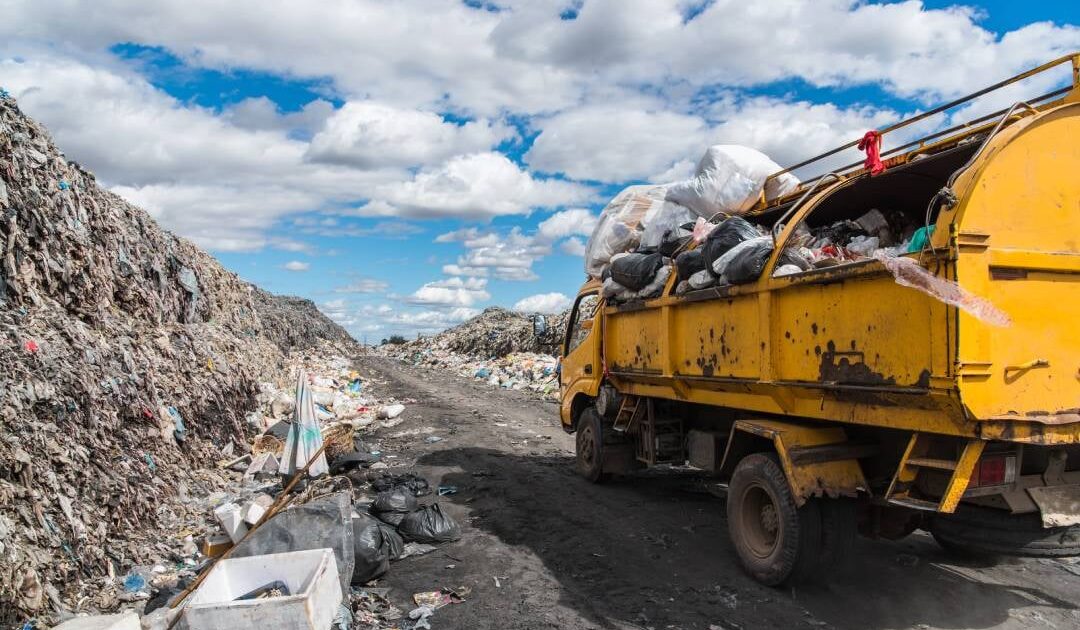
The second row is the one we see most often. A plant pays to haul gaylords of runners, purgings or rejected parts to landfill when that same material, kept clean, could have been ground into regrind and sold or reused. The business pays twice: once to throw it away and again to buy new resin.
Where the savings come from
Lower disposal costs
Every pound you recycle is a pound you don’t pay to landfill. For high-volume waste streams the hauling and tipping savings alone can justify the effort of sorting. Landfill diversion also tends to reduce the number of pickups you need, since bulky recyclables such as film and plastic scrap stop filling up the general dumpster. Our landfill diversion service is built around finding those streams.
Value from scrap
Post-industrial plastics, especially HDPE and polypropylene, are in steady demand as raw material for molding and compounding. When they’re clean and sorted by resin, they have a market. AP&J buys and sells plastic scrap, and we’ll look at your material and tell you plainly whether it has value, can be recycled at no charge, or isn’t a fit. What we pay depends on grade, cleanliness, volume, form and packaging.
Less virgin resin
If you mold or extrude plastic, your own scrap may be the cheapest raw material you have. Through toll processing, we grind your scrap and return it so you can blend it back into production. That cuts the amount of new resin you buy, and it gives you a supply you control when resin prices move. Whether regrind works in your product, and at what ratio, depends on your specs and your customer’s requirements. We cover how this works in our article on closed-loop recycling for manufacturers.
Space, safety and labor
Scrap that sits in aisles or overflow areas costs money in ways that never show up on a waste invoice: forklift moves, cleanup time, slower changeovers and safety risks. A regular collection system clears that space for production or storage. It’s harder to put a number on, but plant managers notice it quickly.
Product destruction is an investment too
Obsolete, expired, recalled or off-spec products have their own cost profile. Throwing them in a dumpster is cheap on paper, but it leaves the risk that they get pulled out and resold, show up in the wrong market, or create liability if they were recalled for a safety issue. For brands, one story about their product turning up where it shouldn’t can cost far more than proper destruction.
Secure product destruction makes goods unusable and, at AP&J, the materials are then recycled instead of landfilled. You protect the brand and still recover some of the material.
What gets in the way of savings
Recycling doesn’t save money automatically. A few things commonly erase the benefit:
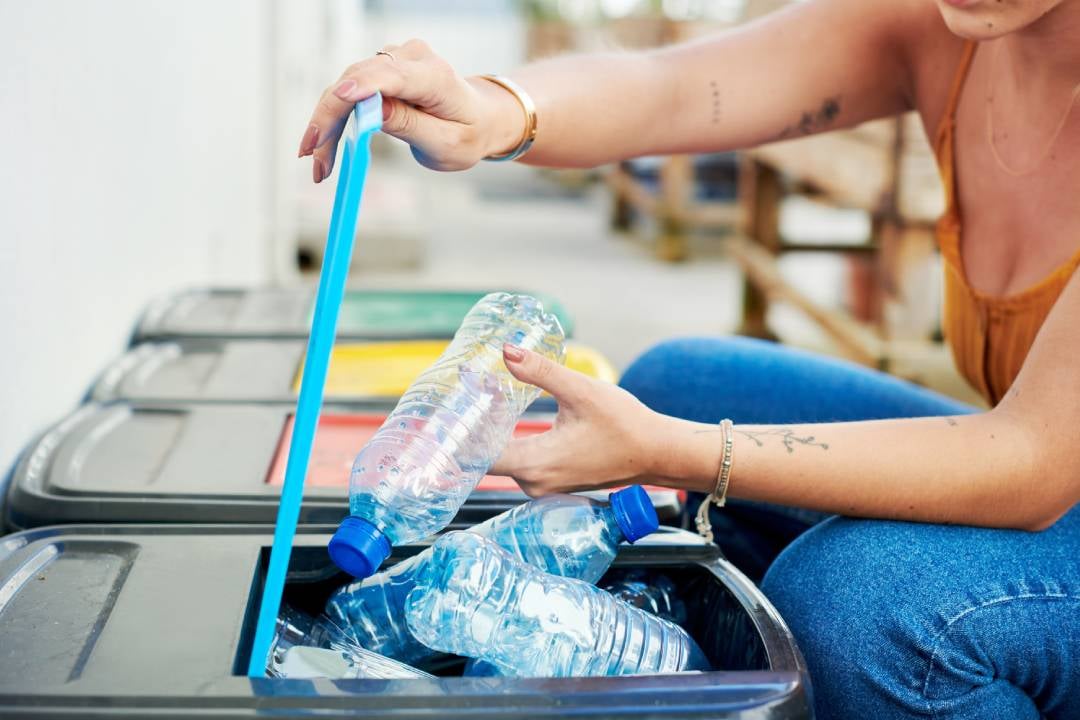
- Contamination. Mixed resins, trash in the scrap bin, labels, metal or dirt can make a load worthless. Separation at the source matters more than anything else.
- Small, irregular volumes. A few bags a month may not justify a dedicated stream. Combining materials or storing until you have a full load can help.
- Unknown materials. If nobody knows what resin a part is made from, it’s hard to find a buyer. Keep spec sheets or part numbers with the scrap.
- Poor tracking. If you don’t measure before and after, you can’t prove the savings to finance.
How to estimate your own savings
You don’t need a consultant to get a rough answer. Pull the last three to six months of waste invoices and work through this:
- Total what you spent on hauling, tipping and container rental.
- Estimate what share of that volume is clean, separable material, especially plastic scrap, film and corrugated.
- Price what it would cost to remove that share from your general waste, and what recycling it would cost or earn.
- If you run plastics, add the virgin resin you could offset with your own regrind.
- Compare, then start with the one stream that has the clearest return.
Rerouting a single high-volume stream is often enough to see a difference within a quarter. For a fuller plan, see our guide to building an industrial waste management system.
The reputation side of the return
More B2B customers ask suppliers about waste and recycling in bids and vendor questionnaires. A documented recycling program, with numbers behind it, answers those questions and can help you win or keep contracts. Employees also notice when the scrap from their line goes back into use instead of a landfill. These benefits are harder to put in a spreadsheet, but they’re real, and they last only when the program is consistent rather than a one-time campaign.
Frequently asked questions
Does recycling cost more than throwing things away?
For mixed, contaminated or low-volume waste, it can. For clean, steady streams such as sorted plastic scrap, recycling is usually cheaper than landfill once you count hauling fees and the material’s value. The key is matching each material to the right outlet.
Will AP&J pay for my plastic scrap?
It depends on the resin, condition and volume. Clean HDPE and polypropylene are the materials most likely to have value. Contact us with details or photos and we’ll tell you what we can offer.
How quickly will we see savings?
Disposal savings start with the first load you divert. Raw material savings from toll processing show up as soon as you blend regrind into production. Most businesses can see a clear trend after one or two quarters of tracking.
Is product destruction worth the cost?
For goods that could hurt your brand or create liability if resold, yes. Proper destruction removes that risk, and recycling the materials afterward offsets part of the expense.
Find out what your waste is worth
If you’d like to know how much of your waste could be recovered, call AP&J at (682) 841-1303 or send us a note through our contact form. Tell us what you’re throwing away and we’ll give you an honest read on it.