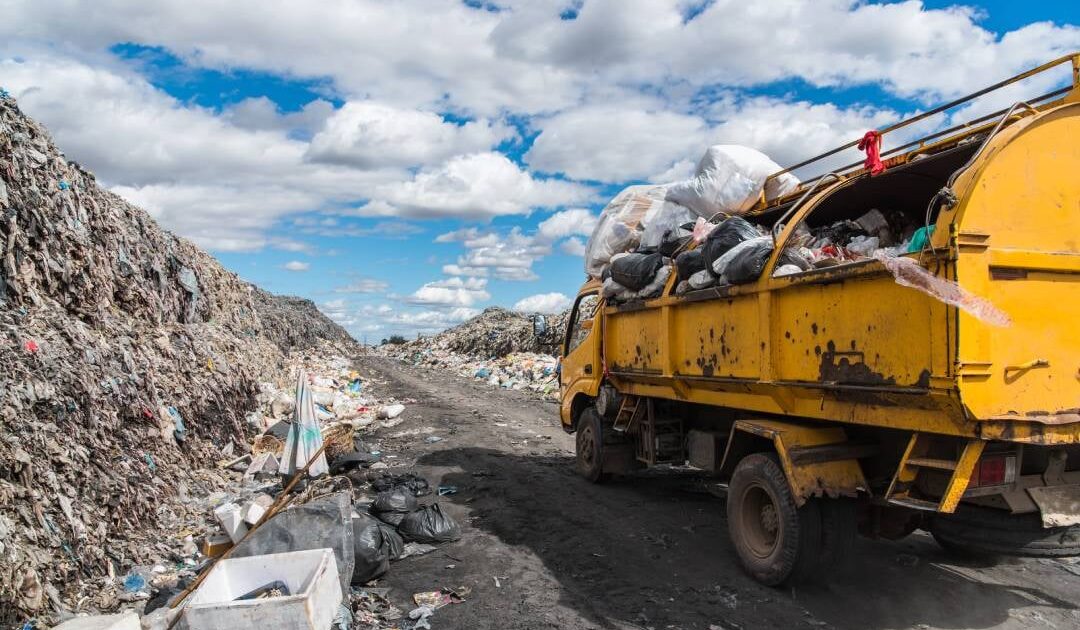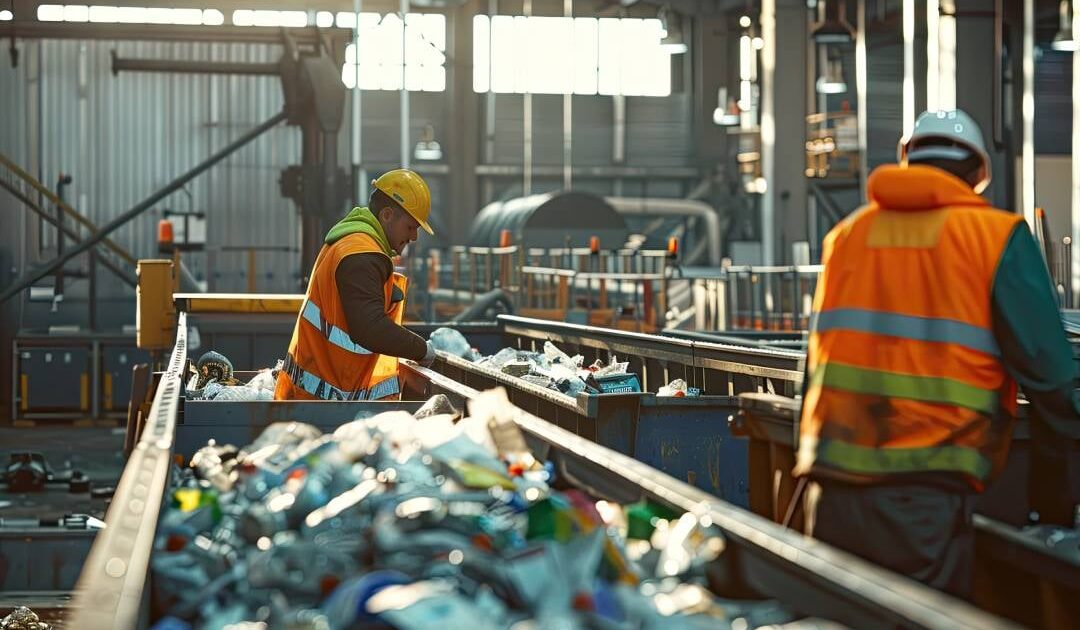
Landfill diversion is the practice of keeping a business’s waste out of the landfill by recycling, reprocessing or reusing it instead. For a manufacturer or distributor, it usually starts with the largest, cleanest waste streams, such as plastic scrap, rejected parts, packaging and obsolete product, and routes each one to a partner who can turn it back into raw material. You start by finding out what you throw away, separating the materials with recovery value, and setting up containers and pickups that make the right choice the easy one on the plant floor.
Key takeaways
- Landfill diversion means sending waste to recycling, reprocessing or reuse instead of disposal.
- For most plants, post-industrial plastic is the biggest and easiest win because it is clean, consistent and predictable.
- A simple waste walk-through tells you which streams to divert first.
- Separation at the source matters more than anything that happens downstream.
- AP&J handles plastic recycling, product destruction and roll-off hauling for DFW businesses under one roof.
What landfill diversion actually means
Every load that leaves your dock goes one of two places: somewhere it gets used again, or a landfill cell where it stays. Diversion is the share of your waste that goes to the first place. A company that recycles its cardboard but throws away its plastic scrap is diverting some waste. A company that also grinds its plastic, destroys and recycles obsolete stock, and hauls bulky scrap to a processor instead of a transfer station is diverting a lot more.
The phrase gets used loosely, so it helps to be specific about the options. Recycling turns a material back into feedstock for new products. Reuse puts an item or container back into service as it is. Energy recovery burns or gasifies waste to make heat or power, which keeps it out of the ground but does not recover the material. Composting handles food and yard waste. For an industrial company in North Texas, recycling and reuse are where most of the volume can go.
Why businesses divert waste
The environmental case is well known. Landfills take up land, produce methane as organic waste breaks down, and need long-term monitoring to protect groundwater. Each ton of plastic that becomes regrind is a ton of new resin that does not need to be made from oil and gas.
The business case is usually what gets a program approved:
- Lower disposal spend. Waste that leaves as a recyclable commodity is waste you are not paying to landfill.
- Value from scrap. Clean, sorted plastic has a market. Mixed into the trash, it has none.
- Customer and corporate requirements. More OEMs and retailers ask suppliers what they do with their waste, and a documented diversion program is an easy answer.
- A cleaner plant. Scrap that has a place to go and a schedule to leave on does not pile up in aisles and on docks.
Which materials can be diverted
What you can divert depends on what you generate and how clean it is. This table covers the streams we see most often at DFW manufacturers, distributors and retailers.
| Material | Common sources | Where it usually goes |
|---|---|---|
| HDPE and polypropylene scrap | Molding runners, purgings, rejected parts, totes, crates, drums | Ground into regrind for molding and compounding |
| Other rigid plastics | Housings, trays, packaging components | Depends on resin and contamination; ask before you sort |
| Obsolete or off-spec product | Discontinued SKUs, returns, recalls, mislabeled runs | Product destruction, then recycling of the materials |
| Cardboard and paper | Receiving, shipping, offices | Baled and sold to paper mills |
| Scrap metal | Fixtures, machining, maintenance | Metal recyclers |
| Wood pallets | Inbound freight | Pallet repair and reuse |
AP&J’s specialty is the first three rows. We process post-industrial plastics, mainly HDPE and polypropylene, into regrind that goes back to molders and compounders, and we buy and sell plastic scrap. If you are not sure whether a resin or a part is recyclable, our article on which industrial plastics can be recycled covers the common ones.
How to start a landfill diversion program
You do not need a consultant’s report to get started. Most plants can set up a working program in a few weeks by following these steps in order.
1. Walk the plant and look in the dumpsters
Spend an hour with whoever empties the trash. Note what fills the compactor or the open-top, where it comes from, and how fast it builds up. Most facilities find that two or three materials make up most of the volume. Those are the streams to divert first.
2. Separate at the source
Material is easiest to recycle the moment it becomes scrap. Once plastic, cardboard and lunchroom trash land in the same bin, sorting them back out is slow and often not worth doing. Put a labeled gaylord or bin at each press, packing line or receiving area so scrap goes straight into the right container. Keep different resins apart if you can, and keep food, rags and dirt out of the plastic.
3. Match containers and pickups to volume
A program fails when containers overflow before pickup day or when you pay to haul half-empty boxes. Size containers to what you actually generate, and set a pickup schedule from your walk-through numbers. Larger volumes or bulky scrap often call for a roll-off; our guide to roll-off hauling for DFW businesses explains how that works.
4. Handle obsolete product separately
Expired, recalled or off-spec goods should not go in the dumpster, both for brand protection and because the packaging and product can often be recycled after destruction. Our product destruction service takes these loads, destroys them so they cannot be resold, and sends the recoverable material to recycling. You get a certificate of destruction for your records.
5. Train people once, then remind them
A five-minute talk at a shift meeting, clear signs on each container and a quick word when someone gets it wrong will do more than a long policy document. People follow the system when it is easier than the alternative.
6. Track it
Keep the weight tickets or bills of lading from each outbound load and compare recycled tons against landfilled tons each month. That number is your diversion rate, and it is what customers and corporate will ask for. Every load you send us comes with a receiving ticket, and we can put together monthly reports on request.
Mistakes that hold diversion programs back
- Trying to recycle everything at once instead of starting with the largest clean streams.
- Placing recycling containers far from where scrap is made, so people use the nearest trash can instead.
- Letting contamination creep in. A load of plastic with trash mixed through it may not be recyclable at all.
- Setting up the program and never checking it again after production or product mix changes.
How AP&J helps with landfill diversion
AP&J is a family-owned recycler at 990 Haltom Road in Fort Worth. We work with manufacturers, distributors, retailers and OEMs across Dallas-Fort Worth and North Texas. Our landfill diversion service brings together the pieces most companies need. We grind and toll process post-industrial plastic into regrind, destroy obsolete and recalled product, and haul material from your site with roll-off containers. For companies that want their own scrap to come back to them as raw material, we also run full circle recycle programs.
When you call, we will ask what you generate, roughly how much, and how it is stored today. From there we will tell you what we can take and how it should be separated and packed. We pay for plastic scrap based on its grade, cleanliness, volume, form and packaging, with no minimum for inbound loads, and we almost always visit your site before setting up a program.
Frequently asked questions
What is a good landfill diversion rate for a business?
There is no single target, because it depends on what you make and what your waste looks like. A plant whose waste is mostly clean plastic scrap and cardboard can divert a large share, while a site with a lot of mixed or contaminated waste will divert less. The useful number is your own rate over time, and whether it keeps going up.
Is landfill diversion the same as recycling?
Recycling is the largest part of it, but diversion is broader. It also includes reuse, such as returning pallets or totes to service, and in some programs composting or energy recovery. Diversion measures everything that does not end up in a landfill.
Does landfill diversion cost more than regular trash service?
It often costs less once it is running, because recyclable material leaves as a commodity instead of as paid disposal. The savings depend on your volume, how clean the material is and current scrap markets. A short review of your waste streams will show where the savings are.
What plastics does AP&J recycle?
Our main materials are post-industrial HDPE and polypropylene, which we process into regrind for molding and compounding. We can look at other resins case by case. Send us a description or photo of the material and we will tell you whether we can take it.
Do I need separate containers for each material?
For the streams you want to recycle, yes. Keeping plastic, cardboard and general trash apart is what makes the plastic worth recycling. You do not need a bin for every possible material; start with the two or three that make up most of your volume.
Ready to see how much of your waste could stay out of the landfill? Call AP&J at (682) 841-1303 or send us a note through our contact form, and we will walk through your waste streams with you.