Cosmetic product destruction is the documented destruction of makeup, skin care, hair care and fragrance that can’t be sold: expired or aging stock, recalled lots, damaged returns, discontinued shades and obsolete packaging. The goods are counted, destroyed so nobody can resell them, and recorded on a certificate of destruction. Before any of it ships, though, the load has to be sorted. Most lotions, creams and plastic compacts are ordinary consumer goods, but alcohol-based fragrances, nail products and aerosol cans can fall under hazardous waste rules and need a different path.
Key takeaways
- Beauty products tossed in a dumpster can be pulled out and resold, and the customer will blame the brand on the label.
- Federal law doesn’t require expiration dates on most cosmetics, so the call on when stock is unsellable usually comes from your own shelf-life data and your customers’ rules. SPF products are the exception, because they are regulated as drugs.
- Sort before you ship. Flammable liquids and aerosols may be hazardous waste and can’t go in with creams and plastic compacts.
- Much of the packaging is plastic, and once the product is emptied or ground, a good share of it can be recycled.
- Keep a certificate of destruction with lot numbers, counts or weights, the date and the method.
Why expired cosmetics shouldn’t go in the dumpster
Unsellable beauty products still look sellable. A case of lipstick in last year’s packaging or a pallet of returned moisturizer can be picked out of a compactor and turn up on a discount site or a flea market table a month later. The buyer doesn’t know the product is past its shelf life, was damaged in transit, or came from a recalled lot. When it causes a rash or smells off, they blame the name on the jar.
Cosmetics also make easy targets for counterfeiters. Genuine boxes, labels and empty components help fakes pass as the real thing, which is why many brands destroy obsolete packaging along with the product itself. Our article on how certified product destruction works covers the custody and paperwork side in more detail.
When does beauty inventory become unsellable?
Usually when the brand or the retailer says so, not when a law does. The FDA states that no U.S. law or regulation requires cosmetics to carry expiration dates or have a set shelf life. Manufacturers are responsible for making sure their products are safe, and the FDA treats working out shelf life as part of that job. In practice, stock gets pulled because it’s past the shelf life your own testing supports, it falls outside a customer’s date-code rules, or the formula or packaging has been replaced.
Products with SPF are the main exception. The same FDA page explains that sunscreens, and moisturizers or makeup that claim SPF, are regulated as drugs, and drugs must carry an expiration date. Once that date passes, the product can’t be sold.
Recalls are the other trigger. The Modernization of Cosmetics Regulation Act of 2022 (MoCRA) gave the FDA authority to order a mandatory recall when a responsible company won’t recall voluntarily and the product could cause serious health consequences. According to the FDA’s recall policy for cosmetics, a firm in a recall is expected to pull the product from the market and either destroy it or bring it into compliance, and a recall ends only after proper disposition. Destruction records are how you show that happened.
Sort the load before it ships
Not every cosmetic is regulated the same way once it becomes waste. Under federal rules, a liquid generally counts as ignitable hazardous waste if its flash point is below 140 degrees Fahrenheit, with an exception for water-based solutions under 24 percent alcohol, as the EPA explains on its hazardous waste characteristics page. Many perfumes, nail polishes and polish removers can meet that definition. Aerosol cans are their own category: Texas lists them as universal waste under TCEQ rules.
Here is a rough sort of what a typical beauty cleanout contains. It’s a starting point, not a waste determination. The safety data sheet for each product and your environmental advisor make the final call.
| Product type | Main concern | Usual path |
|---|---|---|
| Lotions, creams, cleansers, shampoo, conditioner | Resale risk | Product destruction, with the plastic packaging recovered where possible |
| Lipstick, pressed powder, eyeshadow, foundation | Resale risk, counterfeit packaging | Product destruction |
| SPF moisturizers and makeup, sunscreen | Expired drug product | Product destruction with lot-level records |
| Perfume, cologne, body spray in bottles | Often high alcohol, may be ignitable | Check the SDS; may need a licensed hazardous waste handler |
| Nail polish and polish remover | Flammable solvents | Usually a licensed hazardous waste handler |
| Aerosol hairspray, dry shampoo, spray deodorant | Pressurized and often flammable | Universal waste or hazardous waste handling |
| Obsolete cartons, labels and empty components | Counterfeiting | Destroyed, then recycled by material |
We’re a plastic recycler, not a hazardous waste facility, so we don’t take paints, solvents, chemicals or other hazardous materials. When a load mixes regulated items with ordinary product, tell us what’s in it up front and we’ll tell you which parts we can handle.
How cosmetic product destruction works
The process looks a lot like any other destruction job. The difference is how much sorting and recordkeeping happens at the start.
- Build the list. SKU, lot numbers, quantities, the reason for destruction and how it’s packed. For a recall, the lot numbers matter most.
- Pull out anything regulated. Set aside fragrances, nail products and aerosols until you know how each will be handled.
- Quarantine the rest. Keep destruction stock in a marked area so it doesn’t drift back onto a pick shelf.
- Count or weigh at pickup. Loads are documented before they leave your building.
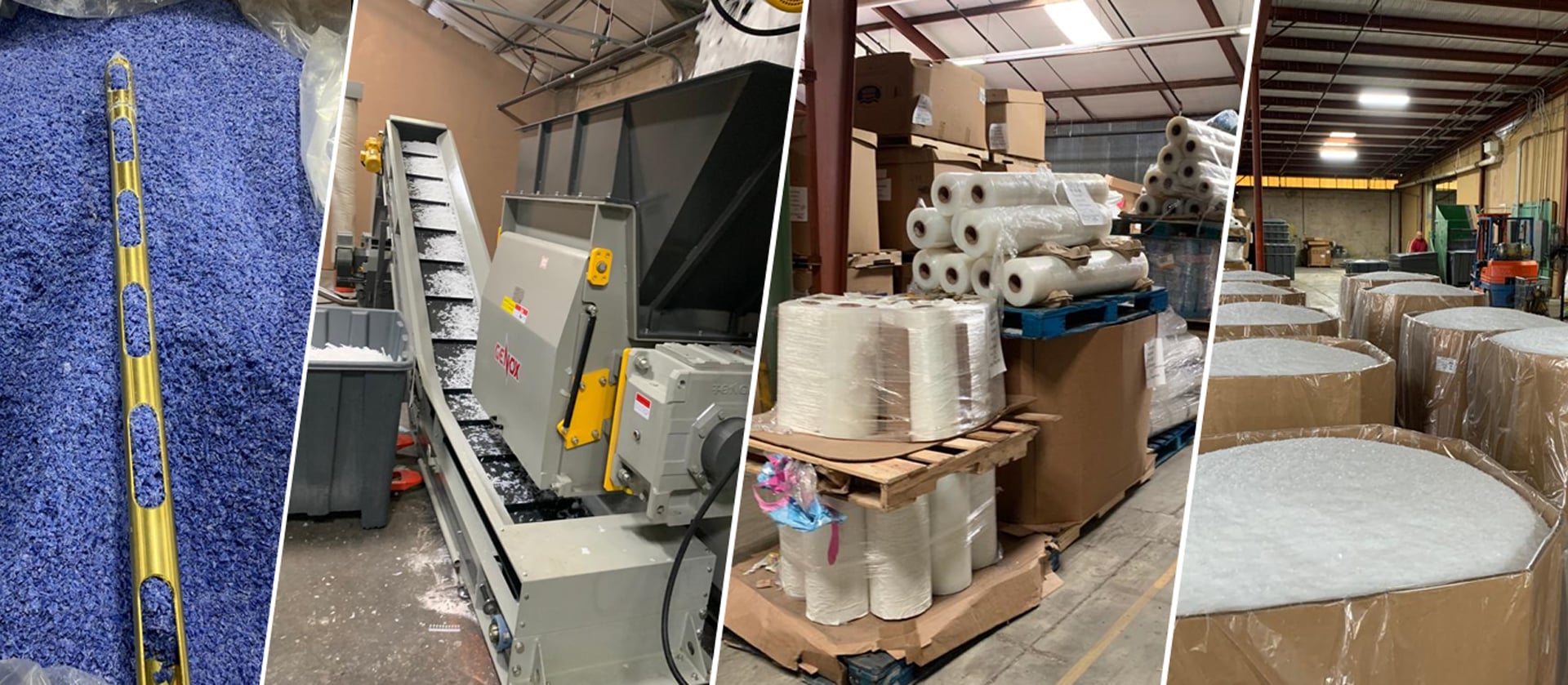
- Destroy and recover. Product is shredded or ground until it can’t be identified or used. Recoverable plastic goes on to recycling, and the rest goes to proper disposal.
- Get the certificate. You receive a certificate of destruction set up for what your auditors, insurers or customers need to see.
What happens to the packaging
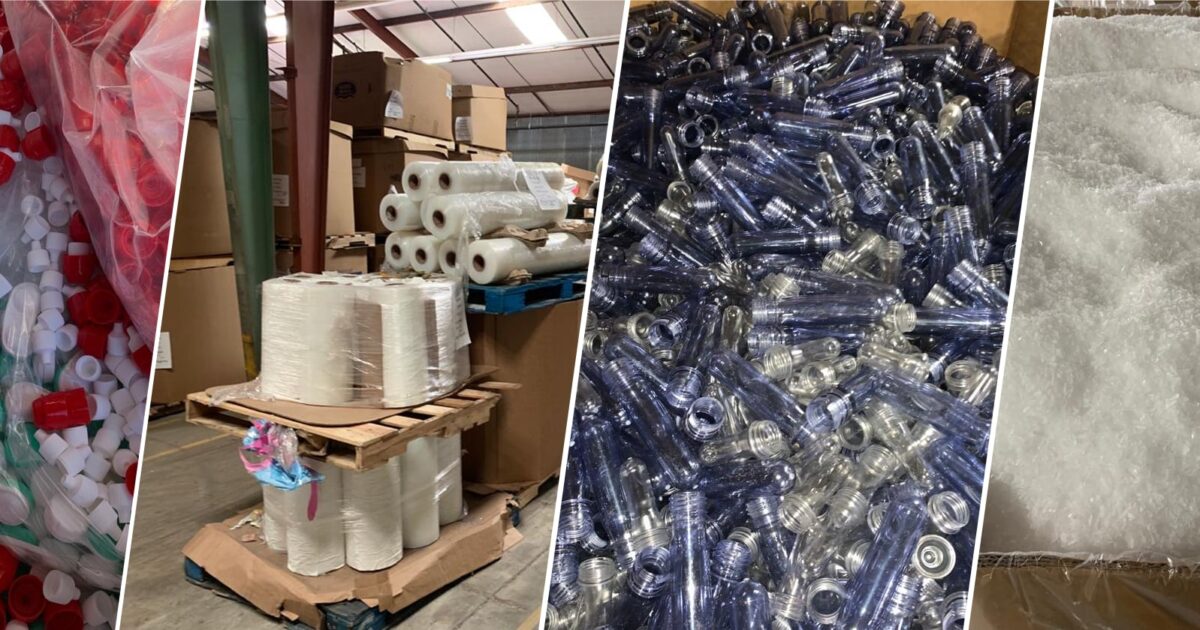
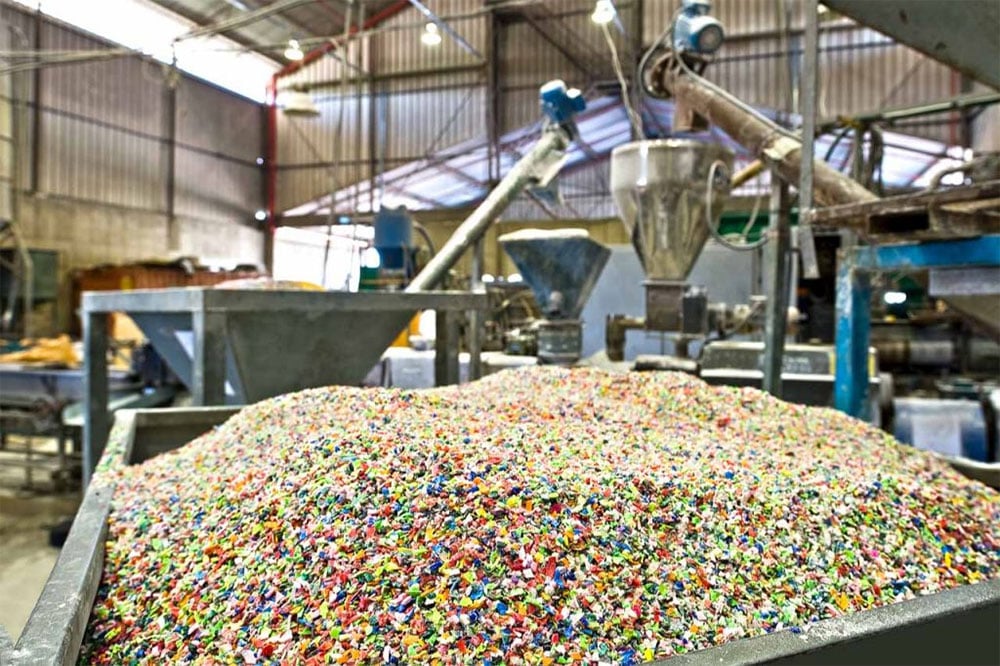
A lot of beauty packaging is plastic: polypropylene jars and caps, PET and HDPE bottles, and polyethylene tubes. Grinding a jar or compact into flake makes it unrecognizable, and clean flake can become regrind for new molded products instead of going to a landfill. That’s where our product destruction service fits best, because destruction and recycling happen in the same step.
Not all of it recovers well, and it’s better to know that before you set a diversion goal. Pumps and sprayers often hide a metal spring. Compacts may have a mirror, a magnet or a metal pan. Glass bottles, thick product residue and heavily decorated components all make recovery harder. Sorting by component type before destruction recovers more material than grinding everything together. If you want to know which resins hold value, our guide to which industrial plastics can be recycled walks through the common ones.
Records to keep after destruction
A good certificate of destruction for cosmetics lists the products or SKUs, lot numbers where relevant, quantities or weights, the destruction date and the method. Keep it with the inventory write-off, the recall file or the return authorization it belongs to. Retail partners, insurers and corporate auditors are the people most likely to ask for it later.
If the job also covers food, beverages or other liquids, our article on destroying expired and recalled products explains how those loads are handled.
Frequently asked questions
Can expired cosmetics be thrown away with regular trash?
For ordinary, non-hazardous products you can, but you lose control of them, and branded goods pulled from a dumpster can end up for sale. Flammable products and aerosols may not be allowed in regular trash at all. Check the safety data sheets before deciding.
Do cosmetics have to carry expiration dates?
Most don’t. The FDA says no U.S. law requires expiration dates on cosmetics. Products that are also drugs, such as sunscreen and SPF makeup, do need them.
Can the packaging from destroyed cosmetics be recycled?
Often, yes. Plastic jars, caps, bottles and tubes can be ground into regrind once the product is destroyed. Mixed-material parts like pumps with metal springs, mirrored compacts and glass recover less, and sorting them out first helps.
What should I send when asking for a quote?
A product list or description, how it’s packed (cases, pallets, loose), roughly how much there is, why it’s being destroyed and what proof you need at the end. Photos help. Pricing depends on the product, volume, packaging and how much sorting the load needs.
Get a quote for cosmetic product destruction
If you have expired, recalled or discontinued beauty products filling up warehouse space, send us the product list and a few photos. Call AP&J at 682-841-1303 or reach us through our contact page, and we’ll go over what we can take, what records you need and how much of the packaging can be recycled.