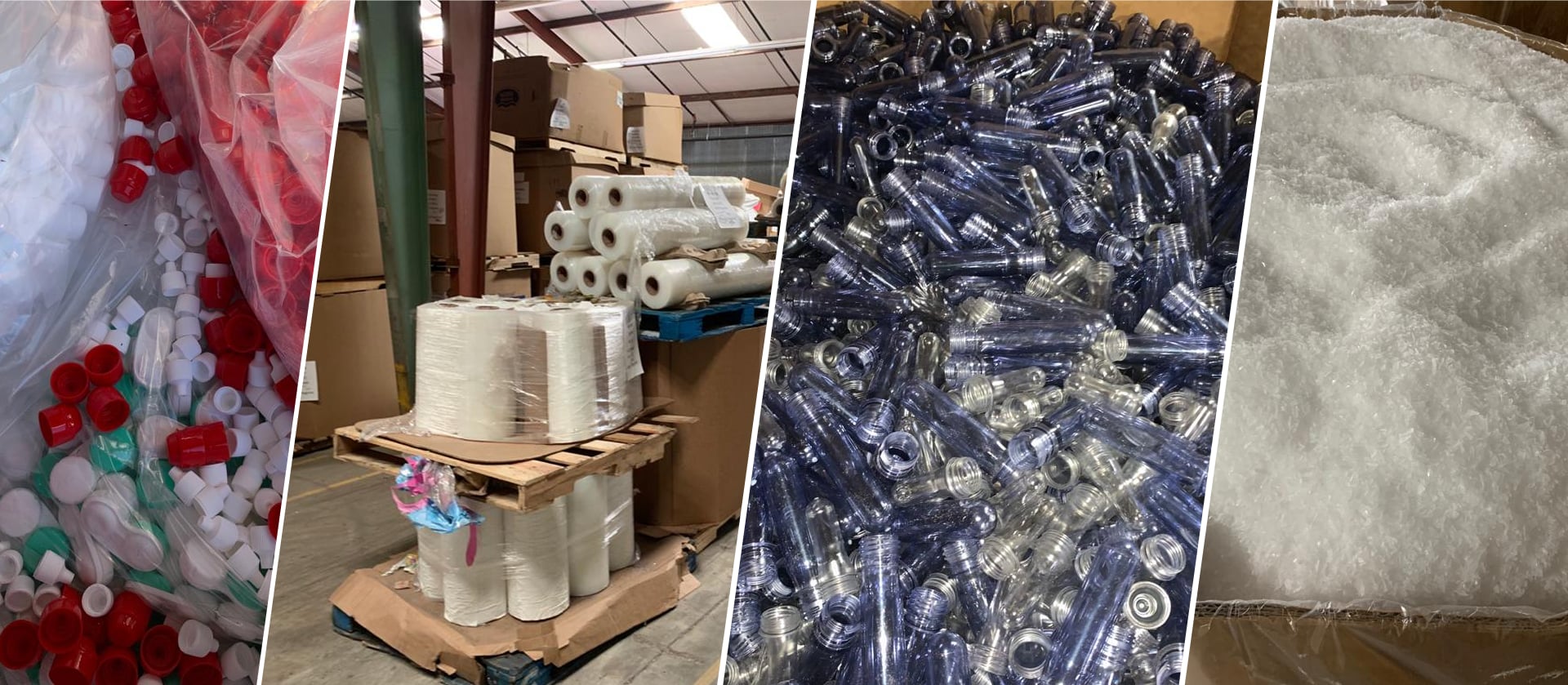
To recycle stretch wrap, keep it clean, dry and away from everything else on the dock. Pull off tape and paper labels where you can, keep clear film apart from colored film, and collect it in its own bag, gaylord or baler instead of the trash compactor. Clear pallet wrap is polyethylene film, and it is one of the more recyclable materials a warehouse or plant produces. What ruins it is what gets mixed in: cardboard, strapping, food, water and floor dirt.
Key takeaways
- Stretch wrap and most shrink film are polyethylene (LDPE or LLDPE). Clean, clear film is recyclable.
- Recyclers grade film by color, contamination and moisture. Clear film with few labels is worth the most.
- Keep cardboard, strapping, tape, paper labels and trash out of the film container.
- Store film indoors or under cover. Wet, dirty film loses value or gets turned away.
- A baler saves floor space and freight once volume justifies it, but it has to be run safely every time.
Is stretch wrap recyclable?
Yes. Stretch wrap, also called pallet wrap, and most shrink film are made from polyethylene. The Recycled Materials Association (ReMA), which publishes the scrap specifications buyers and sellers use to describe loads, has a grade called PE Clear Film Grade A that covers clear or natural LDPE and LLDPE film, with stretch wrap and shrink wrap named in it. Under the version of that spec in effect as of 2026, a load must be at least 95 percent polyethylene film by weight, with no more than 5 percent contamination in total.
The catch is that film is only recyclable while it stays out of the trash. Once wrap goes into the compactor with cardboard scraps, lunch trash and sweepings, nobody can pull it back out in usable shape. Plastic packaging overall is recycled at a low rate: the EPA’s most recent figures put it at 13.6 percent of plastic containers and packaging in 2018. Commercial film is one of the easier places to do better, because it comes off pallets in one spot, in large amounts, and it starts out fairly clean.
What recyclers look for in stretch film
Buyers judge film on three things: color, contamination and moisture. The table below shows how common items on a warehouse dock usually fall, based on the ReMA clear film grade and the Association of Plastic Recyclers’ guidance on PE film.
| What’s in the load | How recyclers see it | What to do |
|---|---|---|
| Clear or natural stretch and shrink wrap | The highest grade of film | Collect it on its own |
| Film with a few labels or light printing | Usually fine. The ReMA grade allows two or three labels per piece and printing on less than 5 percent of the surface | Leave it in; pull paper labels when it’s quick |
| Colored, tinted or heavily printed film | Not allowed in the clear grade, so it sells as a lower grade | Give it a separate container |
| Cardboard, corner boards, paper labels and tape | Contamination. Paper breaks down in wash water and causes filtration problems | Strip it off before the film goes in the bin |
| Plastic strapping and banding | A different plastic, usually polypropylene or PET. The clear grade tolerates no more than 1 percent | Collect it separately |
| PVC shrink film, foil-lined, metallized or “biodegradable” film | Not allowed. APR notes that PVC breaks down at low temperatures and can ruin large amounts of recycled polyethylene | Keep it out entirely; ask if you’re unsure |
| Wet, muddy or food-soiled film | The clear grade allows only 2 percent moisture, and no dirt or food | Store film covered; throw away the dirty pieces |
If you are not sure what a film is made of, the supplier’s spec sheet will say. Our article on which industrial plastics can be recycled covers LDPE and the other resins we see most.
How to recycle stretch wrap at your dock
Most of the value in film is decided at the pallet, not at the recycler. These steps keep it clean enough to sell:
- Find where film comes off. In most warehouses that is receiving, where inbound pallets get broken down. Rework areas, returns and the end of packaging lines are the next most common spots.
- Put a dedicated container right there. A large clear bag on a frame, a gaylord or a baler, close enough that it’s easier to use than the trash can. Label it plainly: “Clear stretch film only. No cardboard, strapping or trash.”
- Split clear from colored. If you receive a lot of black or blue wrap, give it its own bag. A few colored pieces in a clear load can pull the whole load down a grade.
- Strip it at the source. Pull off tape, paper shipping labels and cardboard corner boards before the film goes in. That is far easier at the pallet than at the recycler.
- Keep it dry. Film stored outside in North Texas picks up rain, dust and wind-blown trash. Keep bags and bales indoors or under a roof.
- Count what you make. Track how many bags, gaylords or bales fill up in a normal week. That number tells you whether a baler, a compactor or simple loose pickups make sense.
The same habits work for any material you want to keep out of the dumpster. If film is your first recycling stream, our guide on how to set up a recycling program for your business walks through adding the next ones.
Baling stretch film: when it makes sense
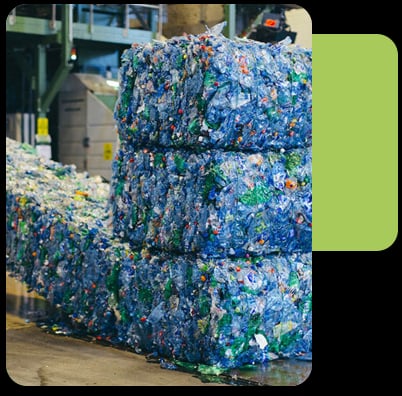
A baler makes sense when loose film is taking up floor space or filling containers faster than you can move them. Loose stretch wrap is mostly air, so baling it makes it much easier to store and to ship. Smaller sites can start with loose film and add a baler once they know their real volume. Before you buy one, ask your buyer what bale size and weight they can handle.
Balers are powerful machines, and they deserve the same respect as any press on the floor. An OSHA safety bulletin on baler door locks notes that forces on a discharge door can exceed 100,000 pounds. It recommends training everyone who operates, cleans or services a baler, inspecting locking parts for cracks, and following OSHA’s lockout/tagout standard and the ANSI Z245 standards for baling equipment. Your baler supplier should set up training for your site before the first bale is made.
Does recycling stretch wrap save money?
Often, but not always. The savings come from two places. Film is bulky, so pulling it out of the compactor means fewer paid trash hauls. And clean, clear film can have value of its own as scrap.
Recycling film doesn’t pay everywhere. A site that makes a few bags a month, or whose film is mostly colored, wet or mixed with cardboard, may spend more on handling than it gets back. What film is worth depends on the grade, how clean it is, the volume, the form and how it’s packed. Clear film in bales is usually worth the most. The only honest way to know is to describe your film to a buyer and get a quote.
How AP&J handles stretch and shrink film
We buy LDPE film, including stretch and shrink film, bags and liners, in rolls or bales. You can see the full list on our page about the plastic scrap we buy. There’s no minimum for material you bring or ship to our Fort Worth plant, and drop-offs run by appointment.
Every load gets a receiving ticket, and we can send monthly reports on request. Those records help when a customer’s sustainability questionnaire or supplier scorecard asks what happens to your packaging waste. For warehouses and distribution centers with steady volume, film is often one stream in a larger commercial recycling program alongside plastic pallets, totes and damaged stock. Whether a film program makes sense for your site depends on your volume and how clean the film is, and we’ll tell you plainly where yours falls.
Frequently asked questions
Is shrink wrap recycled the same way as stretch wrap?
Usually. Most shrink film is polyethylene and can go in the same clear film container. Some shrink film is PVC, and PVC has to stay out because it damages polyethylene during recycling. If you’re not sure, check the supplier’s spec sheet or ask us.
Is colored stretch wrap recyclable?
Often, yes, but it is a lower grade than clear film. Keep black, blue and tinted wrap in its own container so it doesn’t pull down the value of your clear film.
Can plastic bags go in with the stretch film?
Clear polyethylene bags and liners usually can. Colored or heavily printed bags belong with colored film. Trash bags with anything still in them belong in the trash.
Do we need a baler to recycle film?
No. Loose film in gaylords or large bags works fine at lower volumes. A baler starts to make sense when film is filling containers faster than you can move them or taking up space you need.
Does AP&J pay for stretch film?
We buy LDPE film, including stretch and shrink wrap. What we pay depends on grade, cleanliness, volume, form and packaging, so we look at the material, or photos of it, before we quote.
Get a price on your warehouse film
If stretch wrap is filling your compactor, send us a few photos and tell us whether it’s clear or colored, how it’s stored and roughly how much you go through each week. Call AP&J at 682-841-1303 or reach us through our contact page, and we’ll tell you what makes sense for your site.