Plastic pallet recycling works well when the pallet is a known resin, the metal is out of it, and it never held anything hazardous. Most plastic pallets, totes and crates are injection-molded HDPE or polypropylene, and a recycler can shred and grind them into regrind for new molded products. The problems are the parts you can’t see from the outside: steel reinforcing bars, fiberglass, leftover product in a tote, or a pallet that belongs to a pooling company and was never yours to scrap.
Key takeaways
- Most plastic pallets, totes and crates are HDPE or polypropylene and are recyclable once metal and other attachments are removed.
- Many rackable pallets have steel or fiberglass reinforcement inside. Tell your recycler before you ship them.
- Check for ownership marks. Pooled or rented pallets go back to their owner, not to scrap.
- Totes and bins have to be empty and clean. Containers that held hazardous materials are a different waste stream.
- Keep HDPE and polypropylene items apart when you can tell them apart, and keep wood, film and trash out of the load.
What plastic pallets, totes and crates are made of
Most are HDPE or polypropylene. In a Virginia Tech survey of U.S. plastic pallet makers covering 2018, 68 percent of the pallets respondents produced were HDPE, and 63 percent were made by high-pressure injection molding. The same survey found that close to half had reinforcement beams and 12 percent had fiberglass reinforcement. That last detail matters more for recycling than anything else on this list.
Totes, stacking bins, hand-held crates and dunnage trays are usually injection-molded HDPE or PP too. Many have a resin code molded into the bottom or a side wall, often near the date wheel. If you can’t find a mark, the supplier’s spec sheet will say what it is. Both resins are on our list of the industrial plastics that recycle well.
Can broken plastic pallets be recycled?
Yes. A cracked deck, a snapped runner or a crushed corner doesn’t change the plastic. A pallet that is no longer safe to stack or rack is still solid HDPE or PP, and it is one of the heavier, cleaner pieces of scrap a warehouse produces.
The Recycled Materials Association (ReMA) publishes the scrap specifications buyers and sellers use to describe loads. Its grade for HDPE injection bulky rigid plastics, in the version effective May 2025, names crates, carts, and pallets and other large injection-molded items from commercial sources. It also requires metal such as axles and bolts to be removed, and it lists wood, metal, film and foam as items that can get a load rejected. That spec is written mainly for post-consumer bales, but the same rules of thumb apply to a trailer of pallets from a plant or distribution center.
Check these before you scrap a pallet
A few minutes of checking at the dock saves a rejected load or an awkward phone call later.
- Who owns it? Pooled and rented pallets are usually stamped or molded with the owner’s name or a “property of” mark. Those belong to the pool, even when they’re broken. Call the owner for a pickup instead of scrapping them.
- Is there steel inside? Rackable pallets often hide steel tubes in the runners. You may see bar ends at the edges, or notice the pallet weighs far more than a similar one. Steel has to come out before grinding.
- Is there fiberglass? Fiberglass rods are harder to spot and harder to separate. Keep those pallets apart and ask your recycler before shipping.
- What’s attached? Pull off labels, banding, stretch wrap, rubber anti-slip pads and any wood or metal blocking.
- What did it carry? A pallet or tote that sat under leaking chemicals, oil or food needs to be cleaned, and some can’t be recycled at all.
If a pallet has nothing wrong with it except that you no longer need it, it may have more value as a pallet than as scrap. Most plastic pallets are built for many trips. Scrap is the right call for the cracked, warped and broken ones.
Totes, bins and containers: empty and clean first
Totes and bins recycle just like pallets once they’re empty, but residue is the most common problem. Dried product, leftover liquid and old labels all count as contamination. Rinse or scrape them out, and pull off paper placards where you can.
Anything that held hazardous material is a different matter. ReMA’s bulky rigid grade lists containers that held flammable, corrosive or reactive products, pesticides or herbicides as prohibited. We’re a plastic recycler, not a hazardous waste facility, so we don’t take containers with chemicals, solvents, paint or oil in them.
Drums and IBC totes need their own conversation. The same ReMA grade excludes blow-molded containers such as 55-gallon drums, because they are made differently from injection-molded crates and pallets. A caged IBC is a blow-molded bottle inside a steel frame, and what it last held decides almost everything. Neither is on our standard list, so call and describe yours before you send it.
How to store and ship plastic pallets for recycling
Plastic pallets and crates are bulky, so how you stack and store them affects what it costs to move them. These habits help:
| Do | Avoid |
|---|---|
| Stack broken pallets flat and square so a forklift can move them | Tossing them loose into a dumpster or roll-off with trash |
| Keep HDPE and PP in separate stacks when you know which is which | Mixing plastic pallets with wood pallets |
| Set reinforced pallets in their own stack and label it | Hiding steel or fiberglass pallets in the middle of a load |
| Nest empty totes and crates, and band or wrap stacks for the trip | Shipping totes with product, liquid or labels still in them |
| Store them indoors or keep them reasonably clean outside | Letting stacks collect mud, wind-blown trash and standing water |
Plastic pallets hold up outdoors better than film, but dirt, gravel and trash caught in the deck still have to be removed before grinding.
If the stretch wrap coming off those pallets is piling up too, our guide on recycling stretch wrap and shrink film covers how to collect it in the same area.
Plastic pallet recycling: what happens at our plant
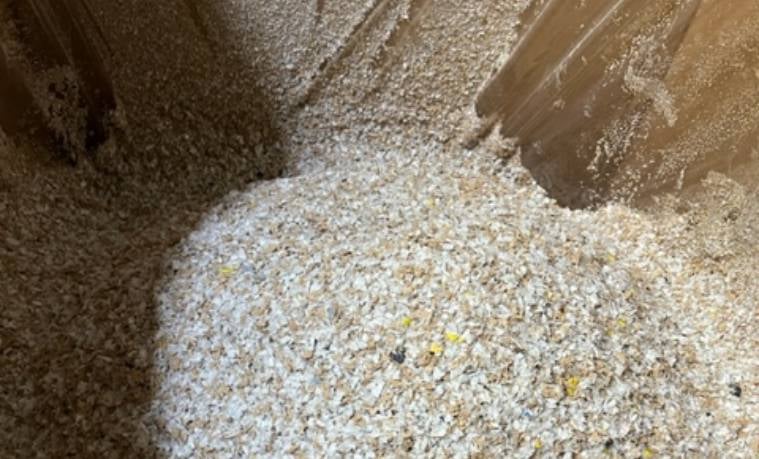
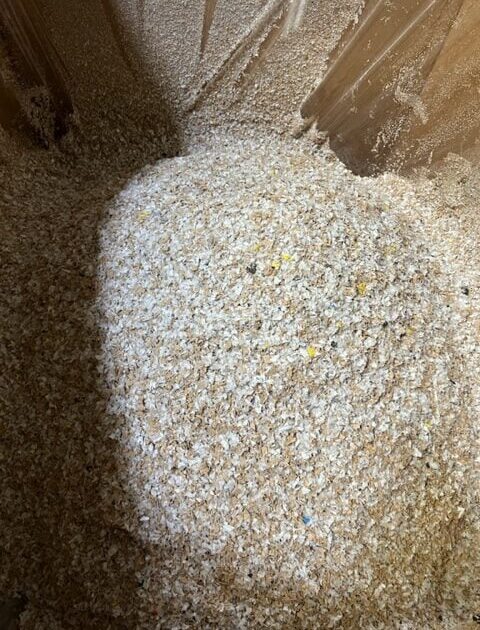
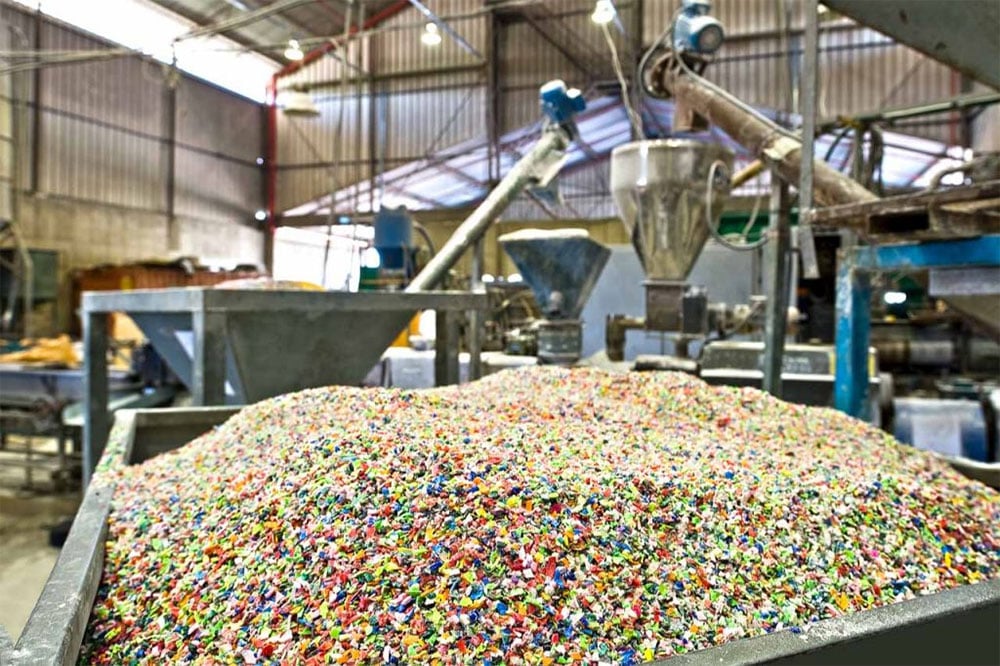
At our Fort Worth plant, we check each load for resin, metal and anything else that doesn’t belong. Bulky items like pallets and large totes are shredded first, then ground into uniform regrind and checked for consistent size and color. That regrind goes to molders and compounders who use it to make new products. Our article on plastic grinding and toll processing walks through each step in more detail.
If you mold pallets, crates or totes yourself, rejected parts and obsolete designs can come back to you as regrind through a toll arrangement instead of being sold.
Does recycling plastic pallets save money?
Often, especially at sites that go through a lot of them. Broken pallets take up a lot of dumpster space, so pulling them out of the trash means fewer paid hauls. Clean, single-resin pallets can also have value as scrap.
It doesn’t always pay. A handful of broken pallets a year may not be worth arranging a pickup, and pallets with fiberglass, heavy contamination or mystery resin may cost more to handle than they’re worth. What they’re worth depends on the resin, how clean they are, the volume, their form and how they’re packed. The honest answer comes from describing your pallets to a buyer and getting a quote.
How AP&J handles plastic pallets, totes and crates
Pallets, totes and crates are on our list of plastic scrap we buy, along with HDPE and polypropylene in nearly any other form. There’s no minimum for material you bring or ship to us, and drop-offs run by appointment, Monday to Friday from 6 a.m. to 3 p.m. Every load gets a receiving ticket, and we can send monthly reports on request if you need the numbers for a sustainability report or a customer questionnaire.
Steady volume from a warehouse or plant can be picked up on a schedule. Send us photos first, and we’ll tell you plainly what we can take and what should go somewhere else.
Frequently asked questions
Are plastic pallets recyclable?
Yes. Most are HDPE or polypropylene, and both are recyclable once metal reinforcement, labels, wrap and other attachments are removed. Pallets with fiberglass reinforcement are harder to recycle, so ask before you ship them.
Can we recycle pallets that belong to a pallet pooling company?
No. Pooled and rented pallets belong to the company whose name is on them, even when they’re broken. Contact the owner to return them.
Do plastic pallets need ISPM 15 treatment for export?
No. ISPM 15 covers wood packaging. The USDA’s Animal and Plant Health Inspection Service lists plastic pallets among the materials not subject to its wood packaging rules. The destination country and your freight forwarder have the final word on any shipment.
Does AP&J pay for plastic pallets?
We buy plastic pallets, totes and crates. What we pay depends on resin, cleanliness, volume, form and packaging, so we look at the material, or photos of it, before we quote.
Get a quote on your plastic pallets
If broken pallets, totes or crates are stacking up behind your building, send us a few photos and tell us roughly how many you have, whether any have steel or fiberglass inside, and what they carried. Call AP&J at 682-841-1303 or reach us through our contact page, and we’ll tell you what makes sense for your site.